Do you Know the Meaning of the Terms About Real Estate?
Each industry has its own terminology, and if you don't understand the meaning of these terms, you can easily be deceived in the home buying process.
Residential real estate: Real estate developed specifically for people to live in, with many types of single-family homes, multi-family apartment buildings, etc.
Commercial Real Estate: Businesses that are primarily used to house income-producing operations, such as retail stands, warehouses, and factories.
Realtor: A person licensed in a state to represent buyers and sellers, helping you save time and hassle. If you need to buy a home, a real estate agent can help you find the home you want and negotiate with the seller. If you need to sell your home, a real estate agent will help you prepare your home for sale, negotiate with the buyer, and draft the agreement to sell your home.

Real Estate Commissions:Whether you are buying or selling a home, you will need to pay a commission to the real estate agent. Most commissions are based on a percentage of the sale price of the property, but some real estate agents charge a fixed fee.
Mortgage: It is a specific type of real estate loan where the property you purchase is used as collateral and you make monthly payments on the debt, which includes the interest on the mortgage.
Down Payment: Although a mortgage can be used to purchase a home, a percentage of cash is still required, usually 20% of the sale price of the property, and the rest of the amount will be paid monthly.
FSBO: A property that is sold directly by the owner without going through a realtor. Buying this type of home can result in significant cost savings.

Real Estate Purchase Contract: A legally binding document that outlines the terms and conditions of a real estate transaction, such as the price of the property, the repairs the seller needs to make to the home, etc.
Contingencies: These are the terms of the purchase and sale agreement that need to be met in order to complete the transaction. Common contingencies include: mortgage approval, home inspection, etc.
Home Inspection: A professional home inspector evaluates the condition of the home to ensure that it is safe, habitable, and in compliance with current building codes and regulations.

Escrow: During the home buying process, funds are held in a third party other than the buyer and seller, which will protect the buyer and seller's property to a certain extent.
Property Taxes: Property taxes vary from state to state and the amount you pay depends on the value of your home and the property tax rate in your location.
 1
1 1
1OTHER NEWS
-
- Weighing the Pros and Cons: Using a Personal Loan to Tackle Credit Card Debt.
- By Wendy 09 Jun,2023

-
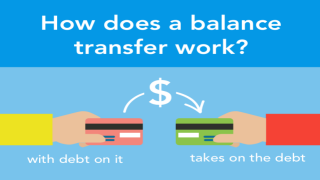
- About Balance Transfer Basics!
- By Little Grapes 30 May,2023
-
- The Importance of Renters Insurance for Anyone Renting a Home or Apartment!
- By Wendy 24 Apr,2023

-
- Evolving Landscape of the Banking Industry: Navigating the Winds of Change!
- By Little Grapes 17 Jul,2023

-
- The Best Online Lenders: Making Borrowing Convenient and Accessible!
- By Little Grapes 25 Jun,2023

-
- Insuring Your Peace of Mind: An Overview of Common Types of Insurance.
- By Wendy 09 Jun,2023

-
- Exploring the World of Real Estate: A Comprehensive Guide!
- By Little Grapes 04 Jul,2023

-
- Safeguarding Your Rental: A Comprehensive Guide to Renters Insurance!
- By Wendy 04 Jul,2023

-
- Understanding Reinsurance: How it Benefits the Insurance Industry and Consumers.
- By Wendy 30 May,2023

-
- How to Successfully Negotiate a Real Estate Commission and Save Money?
- By Wendy 24 Apr,2023

-
- Unleashing the Power of Cash Back Cards: Exploring the Best Options
- By Little Grapes 25 Jun,2023

-
- 5 Steps to Finding the Right Insurance Company for you!
- By Wendy 24 Apr,2023